Inclusive Game Design

Inclusive Game Design

Inclusive Game Design Guide: Creating Accessible and Empowering Games for All

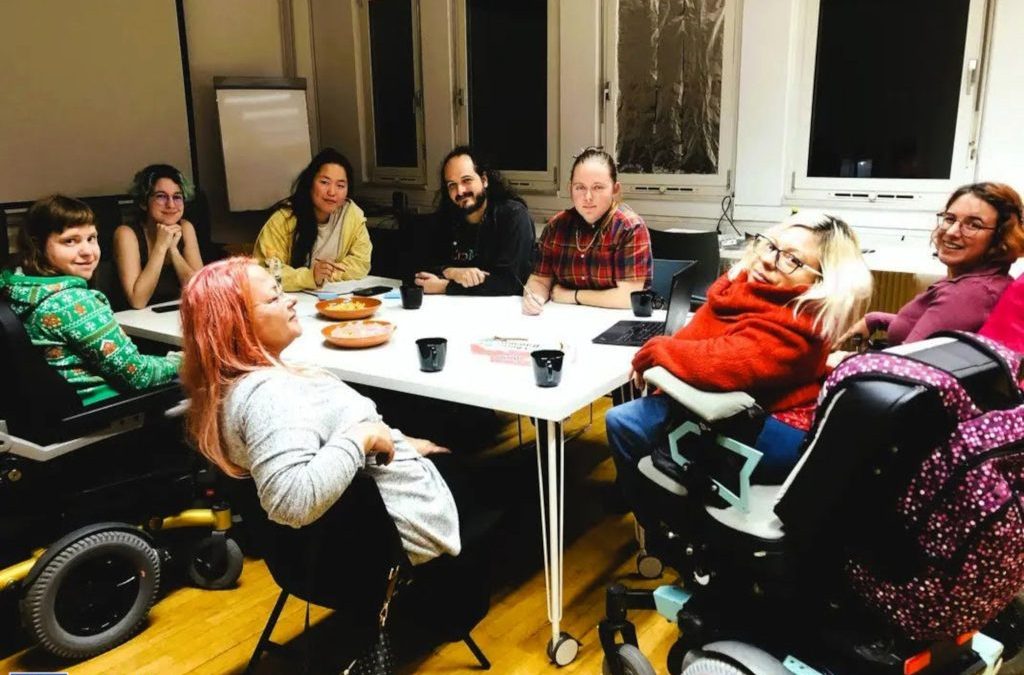
This guide draws upon direct insights from disability-led consultations (notably from Zavod Odtiz), best practice toolkits from recent EU-funded initiatives, and thought leadership from organisations like the Geena Davis Institute and the IGDA. It is meant to support game designers, educators, and facilitators in making games that are not only inclusive in representation but also accessible in practice.


1. Why Inclusive Game Design Matters

Inclusive games ensure that everyone, regardless of ability, background, or identity, can fully participate and feel represented. Inclusion enhances both the learning potential and emotional impact of games, making them transformative tools for education, empathy, and empowerment.


2. Inclusive Design Principles


Representation

  • Include diverse characters across age, gender, ethnicity, disability, body types, and LGBTQIA+ identities.
  • Avoid stereotypes by building multidimensional roles with agency and depth.
  • Ensure stories resonate across cultures; consult with cultural and community representatives when needed.

Accessibility

  • Design for varied physical, sensory, and cognitive needs.
  • Include large, high-contrast visuals, symbols alongside colour, and dyslexia-friendly fonts.
  • Provide written and visual rules, use plain language, and offer audio formats where possible.
  • Design components to be easy to pick up, with clear tactile feedback (rounded vs sharp corners, card holders, thicker tokens, etc.).

Fairness

  • Offer modular or scalable difficulty.
  • Allow various ways to win or progress.
  • Avoid relying on fast reflexes, fine motor skills, or one exclusive playstyle.

Team Diversity

  • Involve people with lived experience in design and testing.
  • Build diverse creative teams to reduce bias and increase innovation.


3. Designing with Disability in Mind


Card & Board Games

  • Provide cardholders and non-glare coatings.
  • Use thicker, larger cards; include braille or tactile overlays where possible.
  • Avoid shiny finishes and use fonts at least 16pt in size.
  • Ensure contrast on boards and pieces; larger dice with tactile features improve usability.
  • Decentralise gameplay areas (personal boards) to avoid reach-based limitations.
  • Allow team-based play to include assistants if needed.

City Exploration or LARP Games

  • Ensure all routes and locations are wheelchair-accessible and check for accessible toilets.
  • Avoid time pressure as a competitive element.
  • Design interactions to be at various heights, avoiding floor-placed cues.
  • Use weather-proof, wearable item carriers (not boxes).
  • Integrate QR codes and GPS as adaptable interaction formats.
  • Include buddy systems and group tasks to balance cognitive or navigational challenges.

Digital and Hybrid Games

  • Allow font size and contrast adjustment.
  • Include keyboard-only or screen-reader compatibility.
  • Avoid purely colour-based mechanics.
  • Use subtitles and audio descriptions.


4. Testing for Inclusion

  • Invite diverse playtesters: people with disabilities, different cultural backgrounds, ages, and gaming experience.
  • Use structured debriefs (4Fs: Facts, Feelings, Findings, Future) to reflect on accessibility and inclusion.
  • Document insights and revise accordingly.


5. Beyond Design: Building Inclusive Communities

  • Include accessibility and inclusion information in all materials and on your website.
  • Provide support for facilitators with toolkits and training.
  • Establish clear codes of conduct and safe play environments.
  • Celebrate inclusive success stories publicly.


6. Tools and Resources

These guidelines were developed thanks to insights from Zavod Odtiz (Slovenia, 2023), combined with the following resources:


Conclusion

Inclusion in game design is not an add-on; it is a mindset that shapes the entire process from concept to playtesting. The more accessible, diverse, and inclusive a game is, the more powerful its impact becomes. Let’s build games everyone can play—and be transformed by.
How we crafted our original games

How we crafted our original games

The heart of the Climate for All project beats in the games we’ve created together. Designing educational games for sustainability is no small task — it takes creativity, collaboration, and care. That’s why our partners came together across three dynamic phases to bring these games to life:

  1. Prototyping in Kraków: We started with bold ideas and early designs, building the first playable prototypes through hands-on collaboration.
  2. Remote Development: From prototypes to polished beta versions, our teams refined mechanics, integrated feedback, and ensured every game supported sustainability competences and accessibility.
  3. Finalisation in Germany: In Bad Belzig and Berlin, we completed, tested, and perfected the games — ready for facilitators, educators, and communities to start playing for change.

This journey combined play, research, and purpose — all to create tools that make learning about sustainability engaging, meaningful, and inclusive.

1. Designing the First Game Prototypes in Kraków

In February 2024, the Climate for All partners gathered in Kraków, Poland for a week-long creative sprint to design the very first prototypes of our educational games for sustainability.

We formed cross-partner teams combining skills in game design, facilitation, climate activism, and education. Together, we turned initial ideas—shaped during our research phase—into six playable prototypes, each designed to build sustainability competences based on the GreenComp framework.

The week was packed with creativity, expert insights, and collaborative playtesting. We explored how to make games inclusive, accessible, engaging, and easy to facilitate, ensuring that anyone can use them to foster climate action and education.

By the end of the seminar, we had prototypes of:

  • A role-playing election campaign game
  • Cooperative board games imagining sustainable futures
  • A debate game on climate dilemmas
  • Card games on greenwashing and environmental storytelling
  • And more!

These first versions were just the beginning—after Kraków, we continued working remotely to improve them before gathering again to finalise and publish the games.

Check out the photo gallery from our Kraków seminar

2. From Prototypes to Beta Versions

After the creative energy of our Kraków seminar, the Climate for All teams continued their journey remotely to develop our educational games for sustainability. Over the spring of 2024, partners worked together across borders to refine the first prototypes into fully playable beta versions.

This remote phase was all about improving:

  • Game mechanics and clarity of rules
  • Connections to GreenComp sustainability competences
  • Accessibility features to make sure the games are inclusive for all

We tested our games with players, shared feedback between teams, and prepared both print-and-play versions and premium prototypes for the next in-person seminar.

Thanks to this collaborative effort, all six games are now polished, engaging, and ready for final touches—bringing us one step closer to launching educational tools that help communities play their way to climate action.

3. Finalising Our Games in Bad Belzig & Berlin

In June 2024, the Climate for All partners gathered in Bad Belzig and Berlin, Germany, to put the finishing touches on the six original educational games we’ve been developing together.

Over an intensive week, we:

  • Playtested all games extensively to ensure they’re fun, educational, and easy to facilitate.
  • Reviewed accessibility features to make sure everyone can play.
  • Standardised the look, instructions, and materials for both print-and-play and premium versions.

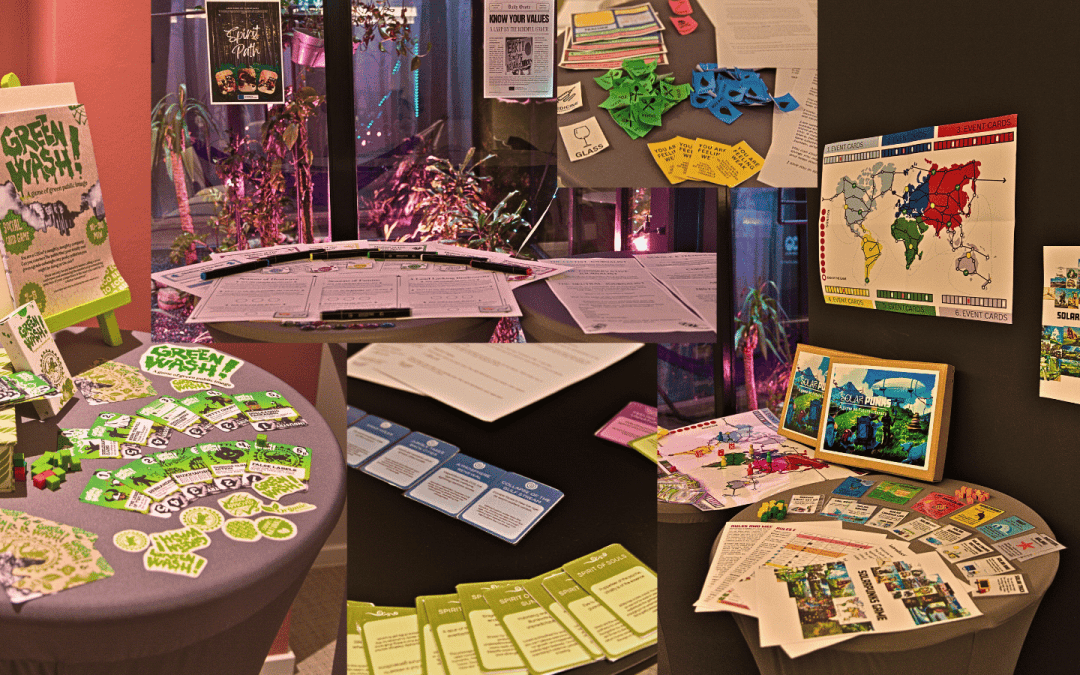
We wrapped up the week with a public Games Fair in Berlin, where we showcased the games for the first time to external audiences, gaining valuable feedback and building excitement for what’s coming next.

All six games are now finalised, freely available, and ready to empower educators, facilitators, and communities to build sustainability competences through play.

Check out the photo gallery from our finalisation seminar:

Epilogue

With six unique and fully developed games, the Climate for All project now offers practical, open-access tools for building sustainability competences through play. But this is just the beginning.

We’re now training facilitators, hosting workshops, and sharing these games across Europe and beyond. Whether you’re an educator, activist, or simply passionate about the future of our planet, these games are for you.

Explore the games, join our community, and start playing your part for climate action!